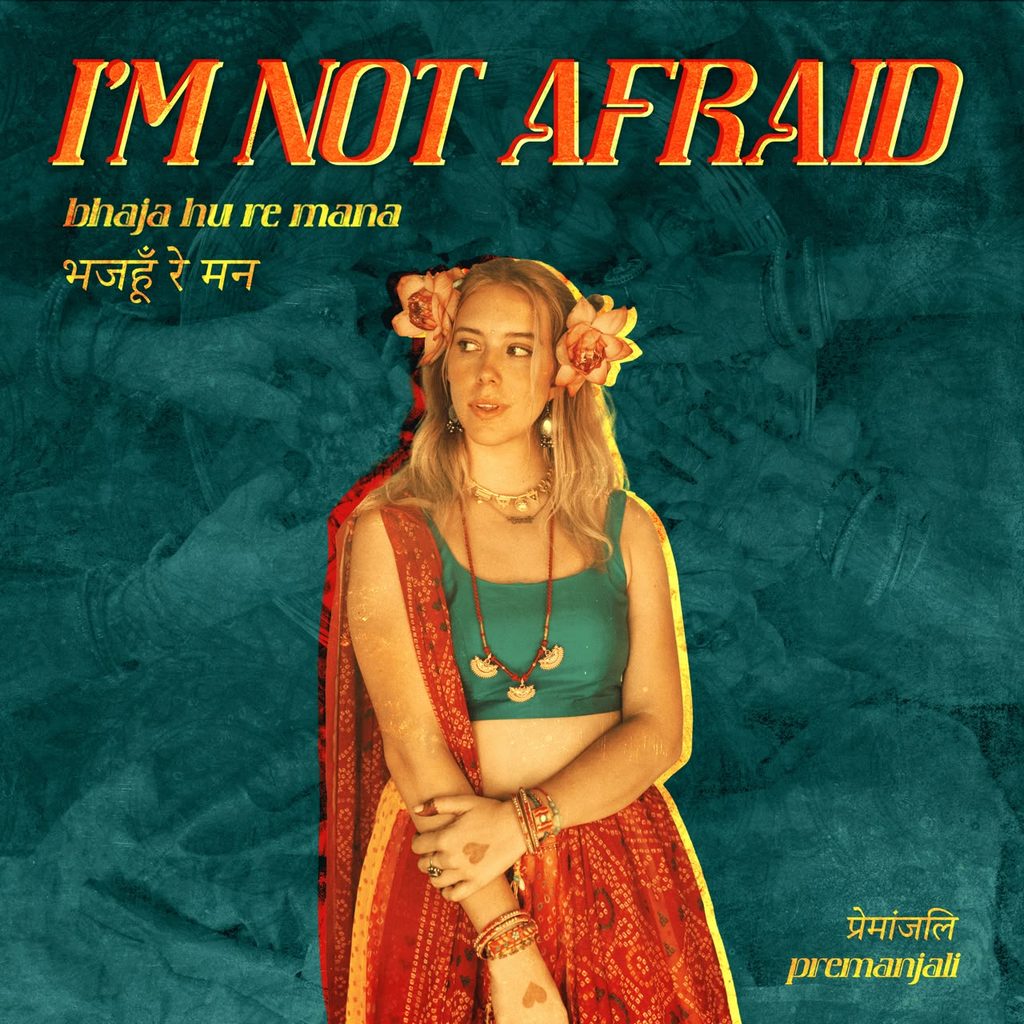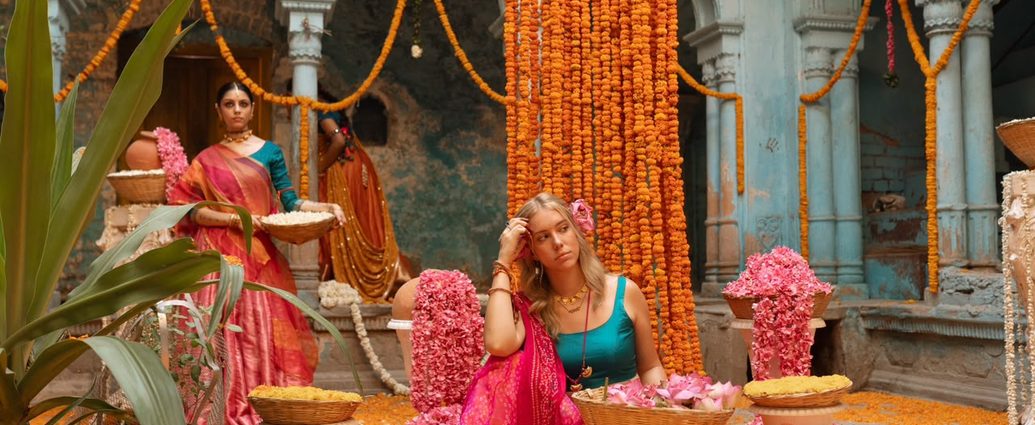
It was 47°C. It was a fasting day. Everything that could go wrong on set had gone wrong, and after a brutal 16-hour shoot, the cleanup crew never showed up. So the whole team picked up brooms and swept the flower petals themselves. That unplanned moment in Vrindavan became one of Premanjali Das’s favourite memories from making her new single, “I’m Not Afraid (Bhaja Hu Re Mana)“. In this exclusive chat with iCraze, the global conscious artist opens up about her journey from fear to faith, why her music now hides its devotion in plain sight, and the one thing she believes is behind the rise of devotional music today.
Key Takeaways
Fearless living: Premanjali hopes the song pushes listeners to follow their dream, start that new hobby and be their most authentic selves.
Hidden devotion: She no longer feels music must be overtly devotional. Intention matters most, and the full picture reveals itself over time.
Vrindavan lesson: After a 16-hour shoot in 47°C heat on a fasting day, the team swept up the flower petals themselves, and she calls it a favourite moment.
Why devotional music is rising: She says mantra music reconnects us to our original identity, beyond any role we play in this world.
- Your latest single I’m Not Afraid (Bhaja Hu Re Mana) beautifully explores the journey from fear to faith. What inspired you to tell this deeply personal story, and what do you hope listeners discover within themselves after hearing it?
I hope that they can become a little more fearless in their own lives – follow their dream, move to the country, start that new hobby – whatever it is for them – I hope this song is empowering and inspiring to be the most authentic version of yourself and do what makes you feel the most alive. - From Shyama Anna to Out of My Mind, and now I’m Not Afraid, your music has evolved while remaining rooted in spirituality. How has your understanding of Bhakti and conscious living shaped your songwriting and musical identity over the years?
When I first started writing I felt I “had” to write songs that were overtly devotional. Meaning they had bhajans or mantras in them – or directly talked about god. However, I now feel that intention is the most important thing. People will always interpret songs in different ways – and there are so many love songs I sing thinking of god or my guru. So why can’t my music be the same? So I’ve been feeling very inspired to release more music with a devotional meaning that may be a little more hidden – and hopefully if people do look into my music enough and stay to learn my story the whole picture will reveal itself. - The music video for I’m Not Afraid (Bhaja Hu Re Mana) was filmed in the sacred town of Vrindavan. What made Vrindavan the perfect backdrop for this song, and were there any unforgettable moments during the shoot that strengthened your own spiritual journey?
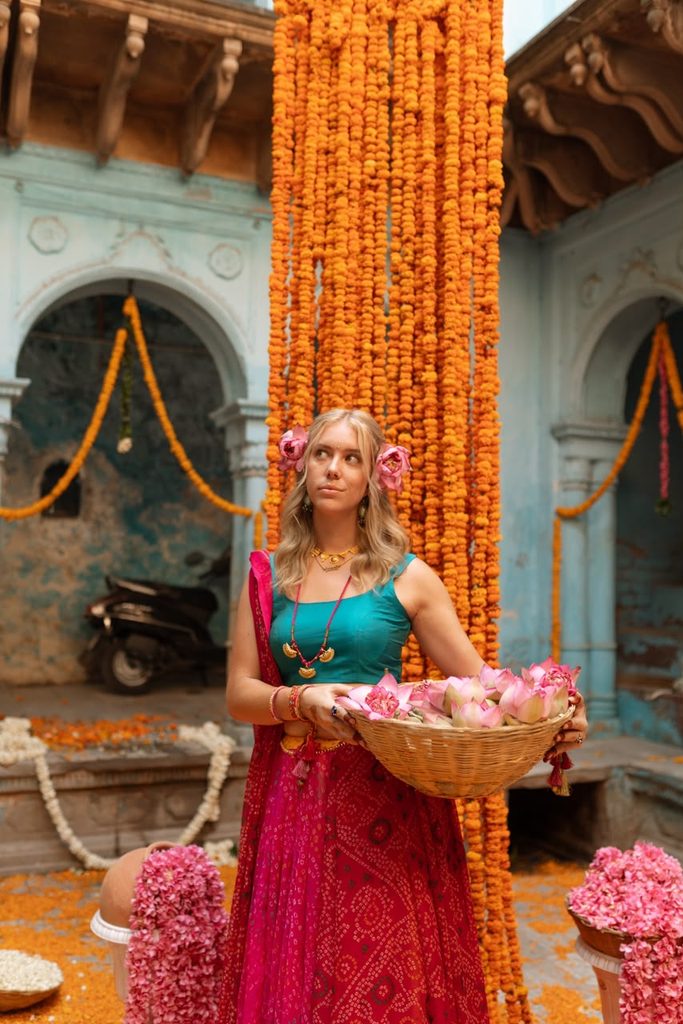
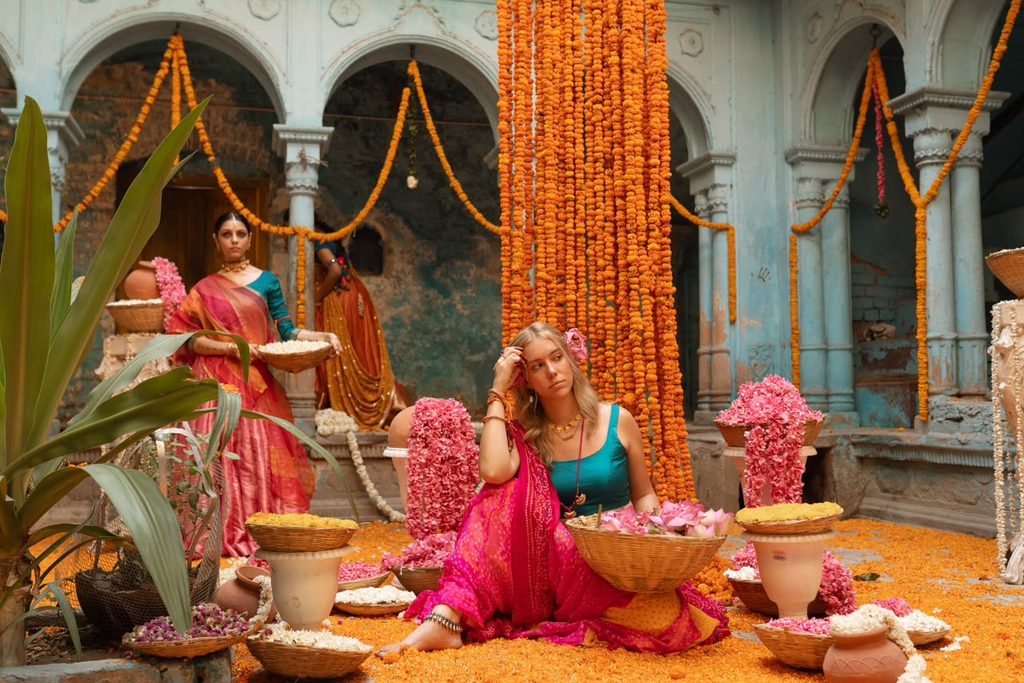
Vrindavan is not only visually stunning – but also a place where surrender is very much at the forefront. I think everyone on the team pushed themselves extremely hard to make this project come together and that also created a really sweet energy while filming – we were doing this for a higher purpose – not just to look cool – but to create something to inspire and empower people.
One very memorable moment for me was when it was the end of our biggest shoot day – where EVERYTHING had gone wrong (to say the least) and we were all completely exhausted + it was 47 degree day and also a fasting day for us all (didn’t realise this whole planning)
We had just finished after a full 16 hour day and the clean up team wasn’t coming. So not having any other choice – we all stayed to sweep up all the flower petals and clean up everything. At first I was so mad ahahah. But this is actually one of my favourite moments – we got to do some service in Vrindavan and Krishna showed us again you have to work for mercy. - As a global conscious artist, you beautifully bridge ancient devotional traditions with contemporary music. How do you strike that balance while making spiritual music relatable to younger audiences across different cultures?
I spoke about this a bit in my previous response – but I want to create music that may not even be initially overtly devotional – but contains a devotional core. I feel intention makes all the difference and would also as a bonus potentially make my music more relatable to a bigger audience of people. - In a world filled with anxiety, uncertainty, and constant distractions, what role do you believe devotional music, mantra meditation, and conscious creativity can play in helping people reconnect with inner peace, purpose, and fearlessness?
Inner peace, purpose and fearlessness all come from having a strong sense of identity. I believe mantra and devotional music as a whole play a strong role in re connecting us to our original identity at a deeper level. Something more than the usual. It gives us an opportunity to be something more than just a friend, sister, parent, daughter, doctor, singer, performer etc – something that could be beyond the limitations of this world. And I feel whether people realise it or not – that is a key factor as to why devotional music is becoming more and more popular in this day and age.