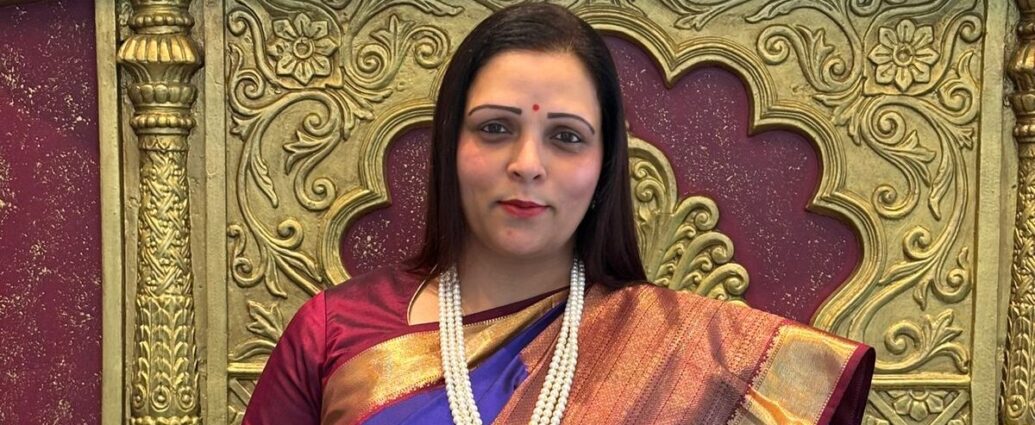
Nidarshana Gowani is a distinguished entrepreneur, philanthropist, and social changemaker whose work spans industries such as power generation, real estate, healthcare, and social welfare. Through impactful initiatives like Kamala Power Women, Kamala Rising Star, and Kanya Sneh Bandhan, she has dedicated her journey to empowering women, supporting marginalized communities, and creating sustainable social change. In this exclusive conversation, Gowani shares her vision of purpose-driven leadership, women’s health advocacy, philanthropy, and the legacy she hopes to leave for future generations.
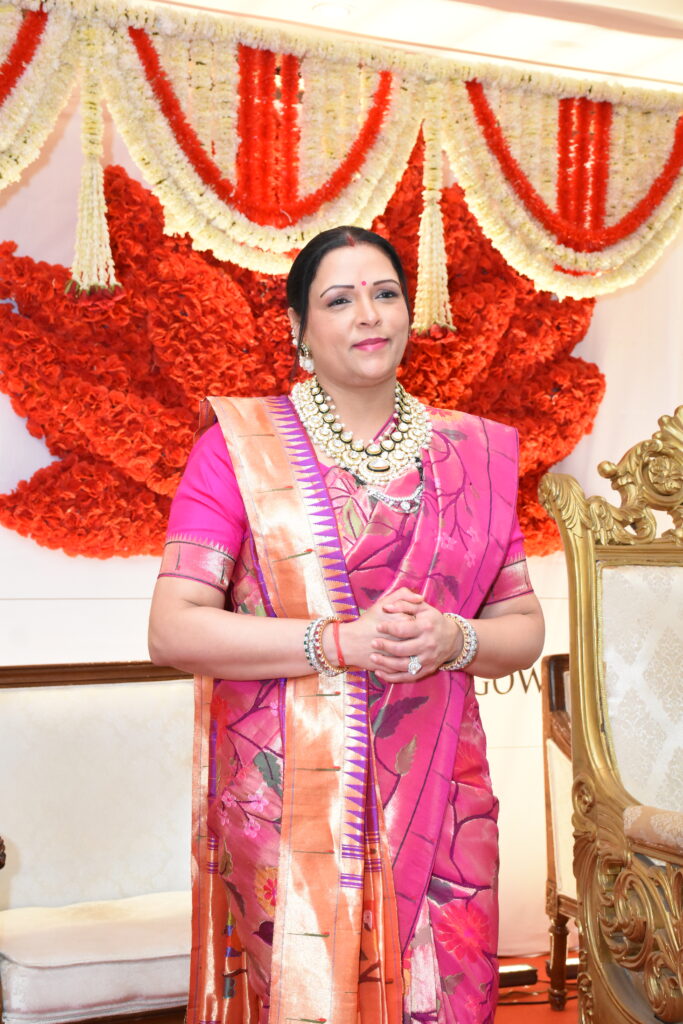
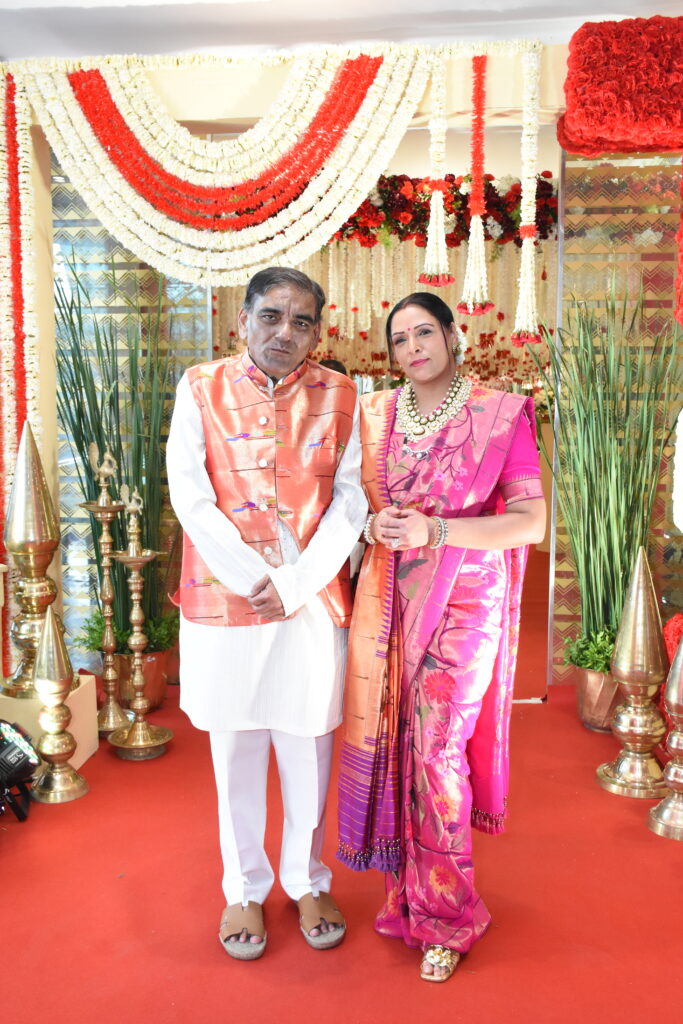
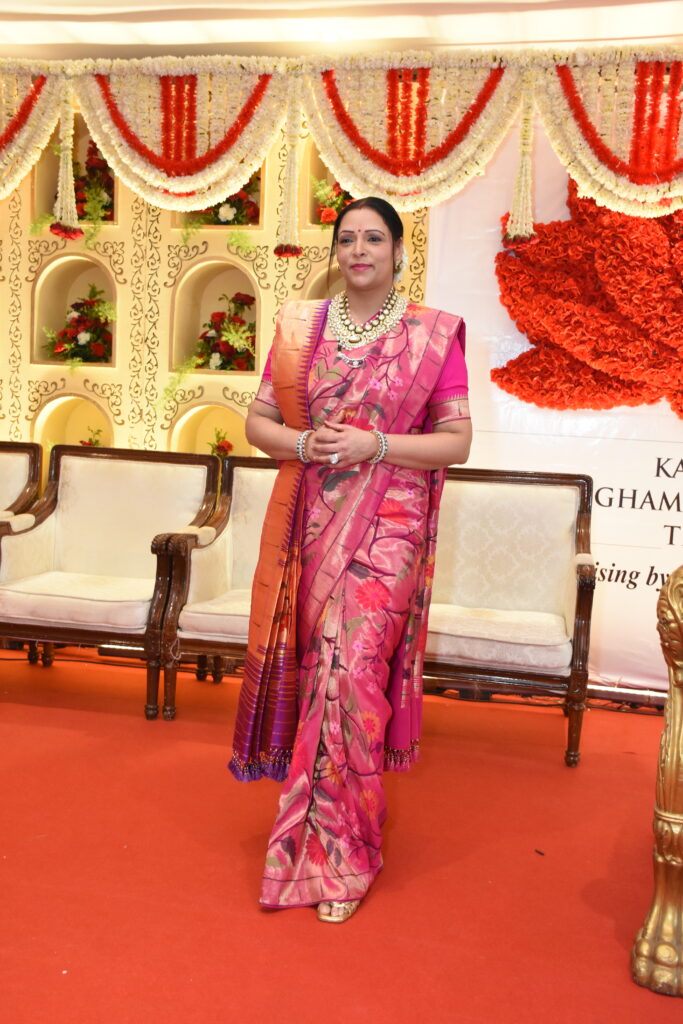
1) You seamlessly balance the worlds of entrepreneurship and philanthropy, from power generation and real estate to grassroots social impact. Was there a defining life moment that transformed “success” into a deeper purpose for you?
For me, success was never meant to remain limited to business achievements alone. Entrepreneurship gave me the ability to create, build, and grow, but somewhere along the journey I realized that true fulfillment comes when growth touches other lives as well.
A defining moment for me was witnessing the struggles of families who dreamt of giving their daughters a dignified future but lacked the means to do so. That experience deeply moved me and changed my perspective on what real success should look like. It made me understand that prosperity carries a responsibility — to uplift, support, and create opportunities for others.
From that point onward, philanthropy stopped being a separate part of life; it became the purpose behind everything I do. Whether through social initiatives, supporting community welfare, or organizing collective weddings for underprivileged girls, my aim has always been to turn gratitude into action.
Today, I believe the greatest legacy is not only what we build for ourselves, but what we are able to give back to society with compassion, dignity, and sincerity.
2)Your initiatives have supported communities that are often overlooked, including transgender individuals, acid-attack survivors, sex workers, and war widows. During this journey, is there one personal interaction or story that changed your perspective on humanity forever?
Yes, there was one moment that deeply transformed me forever. During one of my visits to a community outreach program, I met a young girl who was the daughter of a sex worker. She was suffering from HIV, and despite her condition, what stayed with me was not her illness, but the innocence in her eyes and her desire to simply live a normal, dignified life.
That interaction shook me emotionally. I kept asking myself — why should any child suffer because of circumstances they were born into? Why should a girl child grow up without safety, education, healthcare, or hope? That day, I realized that charity alone is not enough; empowerment is the real change.
From that moment onward, my mission became much deeper and more personal. I became strongly committed towards creating opportunities for women and girls through education, employment, healthcare awareness, and protection. It inspired me to support initiatives that help women become financially independent and girls feel secure enough to dream fearlessly.
It was also one of the strongest reasons behind my focus on preventive healthcare for young girls, especially initiatives like cervical cancer vaccination and awareness programs. I believe if we can protect a girl’s health, education, and dignity, we are not only changing one life — we are changing generations.
That one interaction changed the way I looked at humanity forever. It taught me that compassion is not about feeling sorry for someone; it is about standing beside them and helping create a future where they no longer have to suffer in silence.
I also started a podcast for sex workers, transgenders and cancer patients. Listening to their stories fill me with more aggression to work for them.
3) Through platforms like Kamala Power Women and Kamala Rising Star, you celebrate changemakers beyond conventional definitions of success. In today’s social-media-driven world, what qualities do you believe truly define a powerful and influential individual?
In today’s media-driven world, success is often measured by visibility, wealth, glamour, or social influence. But for me, true power and influence have a very different meaning. I believe a truly influential person is someone who can positively impact lives, inspire change, and uplift society with sincerity and purpose.
That is one of the core reasons why I started initiatives like Kamla Power Women and Kamla Rising Star. I felt there was a need to shift the spotlight towards the real heroes of our society — the women, youngsters, and changemakers who may not always appear on magazine covers or social media headlines, but are silently working every day to make India stronger, kinder, and more progressive.
Today, many awards can be bought through influence, status, or connections. But my vision has always been to recognize authenticity over popularity, purpose over publicity, and contribution over fame. I wanted to create a platform where genuine efforts are celebrated — whether it is a woman empowering her community, a young entrepreneur creating employment, a social worker transforming lives at the grassroots level, or an individual bringing change through small but meaningful actions.
For me, influence is not about how loudly the world knows your name; it is about how deeply your work touches people’s lives. Real success lies in creating opportunities for others, standing for humanity, and leaving behind a legacy of positive change.
India’s strength has always been its people — especially those who work quietly with dedication and integrity. Through these initiatives, my aim is to encourage and honour those individuals who are contributing towards nation-building with courage, compassion, and commitment. Because when we empower genuine people, we empower the future of our nation.
4) You’ve worked extensively on women’s health initiatives such as HPV vaccination drives and breast cancer awareness campaigns. What are some uncomfortable but necessary conversations Indian society still avoids having when it comes to women’s health and empowerment?
One of the biggest realities I have observed in our society is that women are always taught to take care of everyone else before themselves. A woman looks after her parents, her husband, her children, her home, and her responsibilities endlessly — but very rarely does she pause to look after her own health. Unfortunately, this mindset has become so normalized that many important health conversations are still avoided or ignored in Indian society.
One of the most serious yet overlooked issues is anemia among women. A large number of women live with weakness, fatigue, nutritional deficiencies, and health complications without even realizing how deeply it affects their bodies and future wellbeing. Many consider it “normal” because they continue sacrificing their own nutrition and health for their families. But a healthy woman is the foundation of a healthy family and a healthy nation.
Another important conversation society still hesitates to have openly is about preventive healthcare for women — especially HPV vaccination, cervical cancer awareness, breast cancer screenings, menstrual health, and reproductive wellness. Even today, many women feel uncomfortable discussing these subjects due to social stigma, lack of awareness, or fear of judgment. This silence often leads to late diagnosis and preventable suffering.
That is why I strongly believe awareness is as important as treatment. Through HPV vaccination drives, breast cancer awareness campaigns, and women’s health initiatives, my aim has always been to encourage women to prioritize themselves without guilt. Prevention, early diagnosis, proper nutrition, and regular health check-ups can save countless lives.
Empowerment is not only about financial independence or social status. Real empowerment begins when a woman feels physically healthy, mentally strong, emotionally supported, and informed enough to make decisions for herself. As a society, we must normalize these conversations with sensitivity, education, and compassion — because caring for women’s health is not a women’s issue alone, it is a responsibility of the entire society.
5) You’ve built businesses, led social movements, and created impact at scale, but beyond the titles and achievements, what legacy do you hope “Nidarshana Gowani” will leave behind for the next generation of women entrepreneurs and changemakers?
Beyond business achievements, titles, or recognition, the legacy I truly wish to leave behind is one of meaningful service, compassion, and positive impact. I want the next generation — especially women entrepreneurs and changemakers — to understand that true success is not only measured by how much wealth we create for ourselves, but by how many lives we are able to uplift through that success.
Money, influence, and opportunities are blessings, but they become truly valuable only when they are used in the right direction. I strongly believe that every successful individual has a responsibility towards society. If our resources, knowledge, and platforms are used with purpose, they can help build a healthier, more educated, more creative, and more compassionate nation.
I want to inspire women to dream fearlessly, lead confidently, and at the same time remain deeply connected to humanity and social responsibility. A powerful woman is not only someone who rises herself, but someone who creates pathways for others to rise with her.
For me, real legacy is not about people remembering your status or achievements; it is about people remembering your kindness, your values, and the positive difference you made in their lives. At the end of the journey, awards and success may fade with time, but good deeds, humanity, and the lives you touch remain forever.
If future generations remember Nidarshana Gowani as someone who used her journey to serve society, empower women, support the underprivileged, and encourage others to give back with sincerity, then I will feel my purpose has truly been fulfilled.
6) Your initiative of Samuhik Vivah of underprivileged couples is worth appreciation. Tell us something about this.
Kanya Sneh Bandhan is an initiative of Samuhik Vivah, which is extremely close to my heart because it was not started as an event, but as an emotion and a family decision rooted in values and responsibility towards society. As my husband, my family, and I were completing an important milestone in our lives, we mutually decided that instead of spending on grand celebrations, lavish parties, or unnecessary extravagance, we wanted to create something meaningful that could genuinely change lives.
That thought gave birth to Kanya Sneh Bandhan (Samuhik Vivah) for underprivileged couples. We felt that if our happiness could become the reason for someone else’s new beginning, then that would be the most beautiful celebration of all. Marriage is not just a ceremony; it is the foundation of a family and a secure future. Unfortunately, many financially struggling families carry the burden of their daughters’ marriages with stress, helplessness, and emotional pressure.
Through this initiative, our aim is not only to help these couples get married with dignity and blessings, but also to support them in building a stable and happy life ahead. We strongly believe that true empowerment comes when families are emotionally and financially secure. That is why we also focus on encouraging opportunities for employment, self-reliance, and a better future for these couples so they can live with confidence, respect, and happiness.
For us, this initiative is a reminder that celebrations become truly meaningful when they include humanity and social responsibility. If our joy can bring smiles, security, and hope into the lives of others, then that itself is the greatest blessing and the greatest success.